
Skin Clarity: Blemish Removal
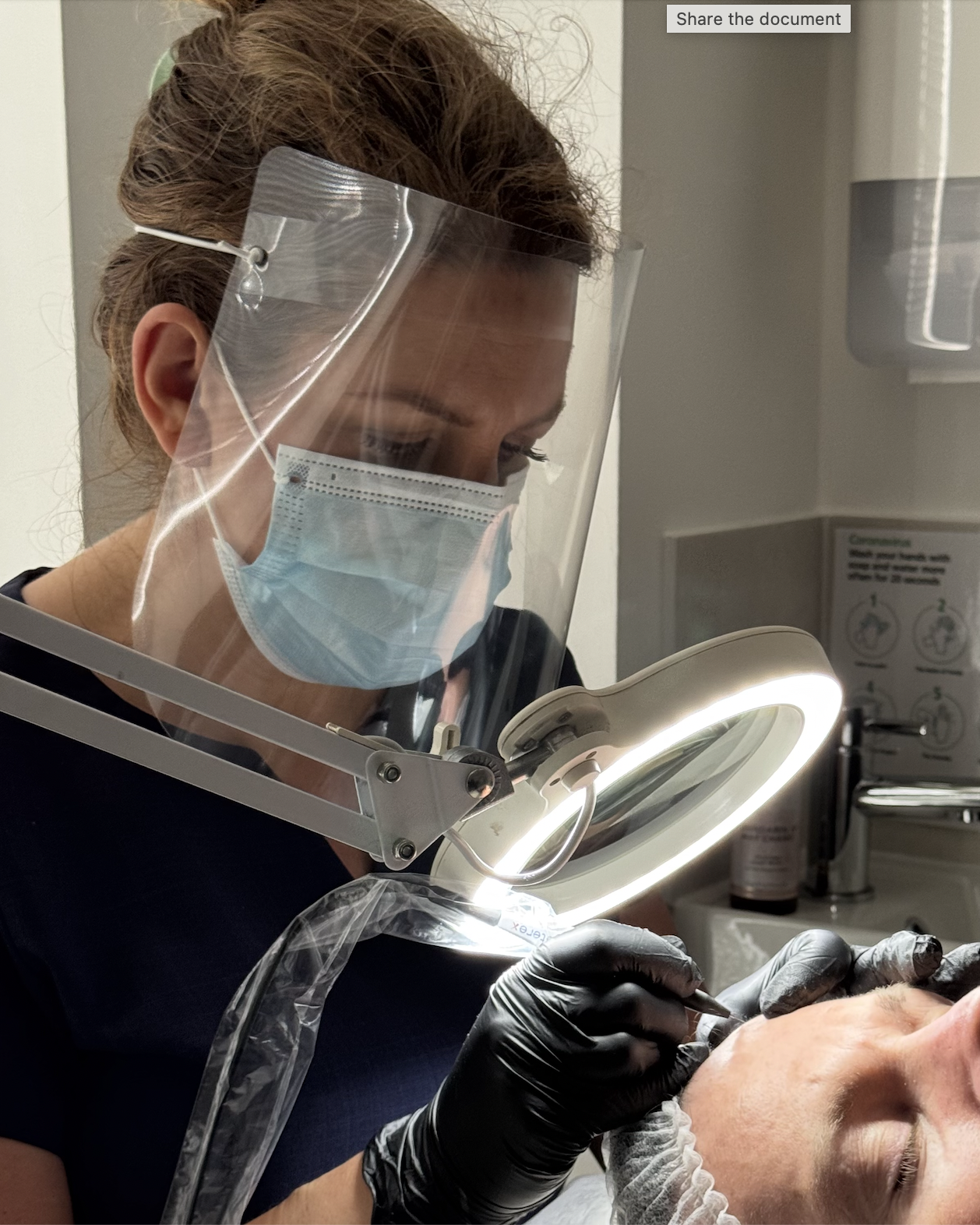
Gemma is a fully qualified Advanced Electrologist and Advanced Cosmetic Procedures (benign skin blemish removal) practitioner, inspected and registered to practise by the local Environmental Health department, and licensed by Stratford-on-Avon District Council.
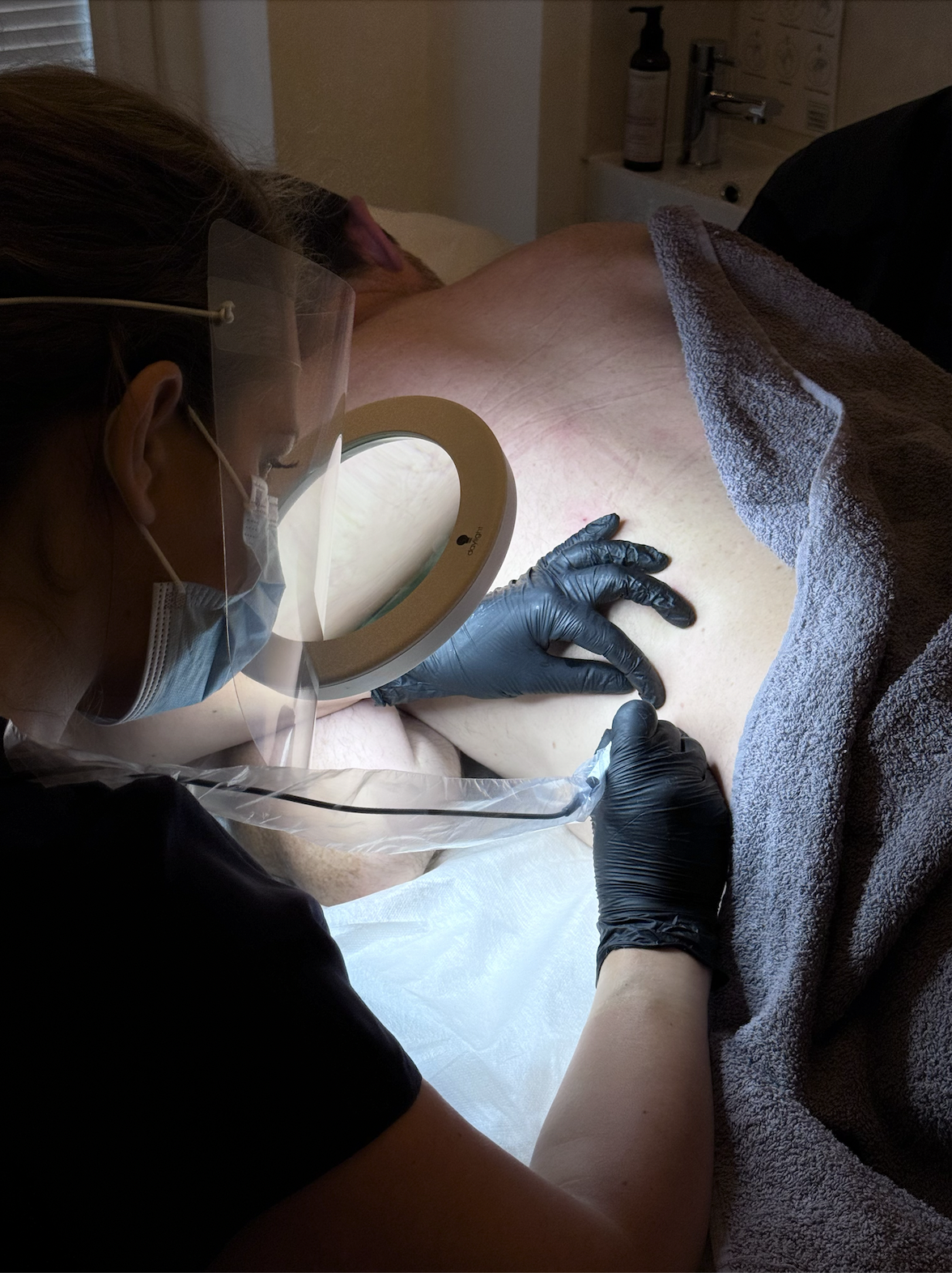
The removal or reduction of benign skin blemishes using diathermy (also known as electrocautery or advanced electrolysis) is precise, effective and safe. An electric current is passed through a very fine, sterile probe (about the size of an eyelash), to treat a range of blemishes including skin tags, milia, blood spots and seborrhoeic keratoses. Some describe the feeling as a quick, localised warm or hot stinging sensation; others have been known to fall asleep during treatment. Everyone is different.

Every treatment is carried out to the highest clinical standards, with meticulous attention to cleanliness, infection control and safety protocols. Fresh PPE and disposable pre-sterilised probes/forceps are used, and all reusable equipment is thoroughly cleaned, disinfected and sterilised as appropriate. My clinic is equipped with both a professional ultrasonic cleaner and a cutting-edge Class B medical-grade Enbio autoclave, which offers the highest European standard for sterilisation, and is officially certified for medical and aesthetic environments.
All aspects of treatment, healing and aftercare are discussed at the compulsory consultation appointment, with no obligation to proceed with treatment.
Qualifications/relevant skills:
NVQ Level 3 Beauty Therapy: Electrical Epilation (electrolysis hair removal).Trained by Sterex, world-renowned leader and pioneer of electrolysis training/education.Sterex Advanced Electrolysis.Sterex Advanced Cosmetic Procedures (ACP).VTCT Level 4 Award in Skin Blemish Removal in 2026, collating case studies and evidence to qualify to Foundation Degree level (Level 5) in 2027. Both are government-recognised, regulated qualifications, formally regulated by Ofqual and listed on the Regulated Qualifications Framework (RQF).Dermoscopy trained by Dr. Ayub Khan in skin blemish assessment, risk recognition, lesion awareness, and safe escalation pathways.SpotCheck partnered, for fast UK-qualified GP and dermatology specialist-led advice.MASCED-Pro certified in Melanoma and Skin Cancer Early Detection.George House Trust’s SAFE HANDS: Understanding HIV in Hairdressing, Barbering and the Beauty Sector certified.
Skin Tags
✳︎
Milia
✳︎
Blood Spots (Cherry Angiomas)
✳︎
Seborrhoeic Keratosis
✳︎
Dermatosis Papulosa Nigra (DPN)
✳︎
Facial Thread Veins
✳︎
Spider Naevi
✳︎
Sebaceous Hyperplasia
✳︎
Xanthelasma Palpebrarum
✳︎
Syringoma
✳︎
Common Warts
✳︎
Plane Warts
✳︎
Filiform Warts
✳︎
Verrucae
✳︎
Age Spots
✳︎
Poikiloderma of Civatte
✳︎
Mole Reduction
✳︎
Sebaceous Cysts
✳︎
Epidermoid Cysts
✳︎
Pilar Cysts
✳︎
Skin Tags ✳︎ Milia ✳︎ Blood Spots (Cherry Angiomas) ✳︎ Seborrhoeic Keratosis ✳︎ Dermatosis Papulosa Nigra (DPN) ✳︎ Facial Thread Veins ✳︎ Spider Naevi ✳︎ Sebaceous Hyperplasia ✳︎ Xanthelasma Palpebrarum ✳︎ Syringoma ✳︎ Common Warts ✳︎ Plane Warts ✳︎ Filiform Warts ✳︎ Verrucae ✳︎ Age Spots ✳︎ Poikiloderma of Civatte ✳︎ Mole Reduction ✳︎ Sebaceous Cysts ✳︎ Epidermoid Cysts ✳︎ Pilar Cysts ✳︎
Just some of the blemishes frequently treated with Advanced Electrolysis…
Diathermy has been used by the medical profession to remove warts, verrucas and other fibrous blemishes for over 100 years. Advanced Electrologists are licensed to use diathermy to safely and precisely treat a range of cosmetic (benign) skin blemishes, with minimal trauma to the skin. These are just a few examples.
Fibroepithelial Polyp (Skin Tag)
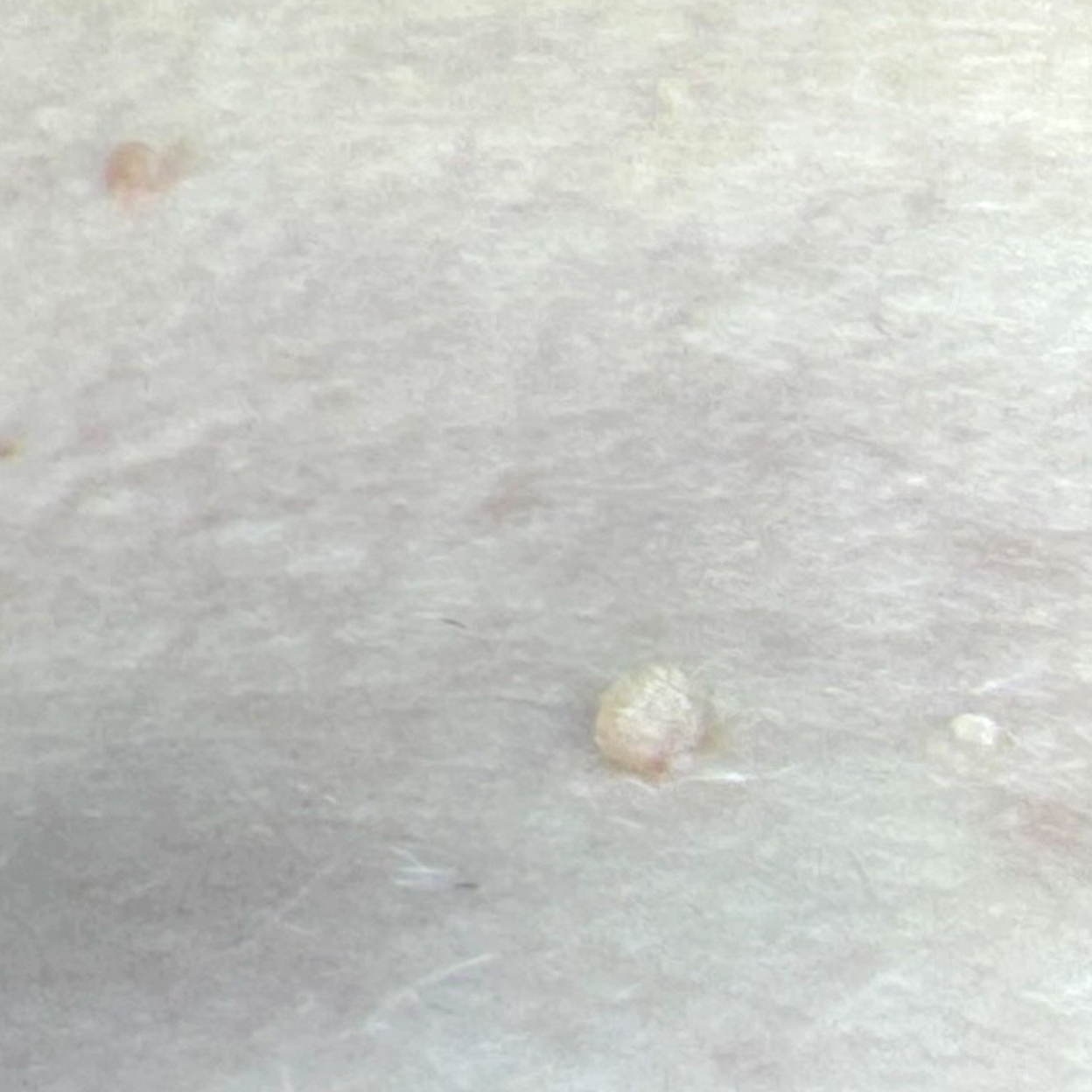
Skin tags are benign growths of epithelial tissue and are one of the most common blemishes treated in clinic. They vary in size, shape and attachment, and mainly occur in areas of friction and where the skin forms creases or folds. They are common in the armpit, neck, and groin, due to skin rubbing against underwear or jewellery, but can also occur on the face, including around the eyes. Skin tags can often be removed quickly and successfully in a single session.
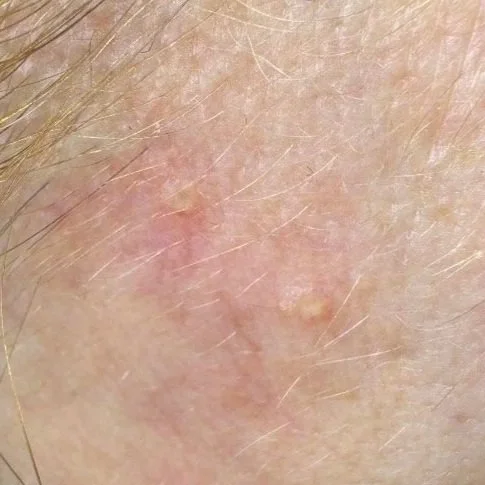
Sebaceous Hyperplasia (Sebaceous Spot/Enlarged Oil Gland)
Sebaceous hyperplasia present as small yellowish or flesh-toned bumps, often mistaken for enlarged pores or acne pimples, particularly around the forehead, temples, cheeks and nose. They occur when oil glands become enlarged and overactive, often triggered by ageing and hormonal shifts like menopause, but can also be linked to genetics and sun exposure. Sebaceous hyperplasia is treated far more effectively with diathermy than topical skincare: heat is delivered directly into the blemish, causing the overactive gland to flatten out and the body’s natural immune response to break down and absorb the dead glandular cells underneath, to reveal smoother skin. This image is of my own skin pre-treatment.
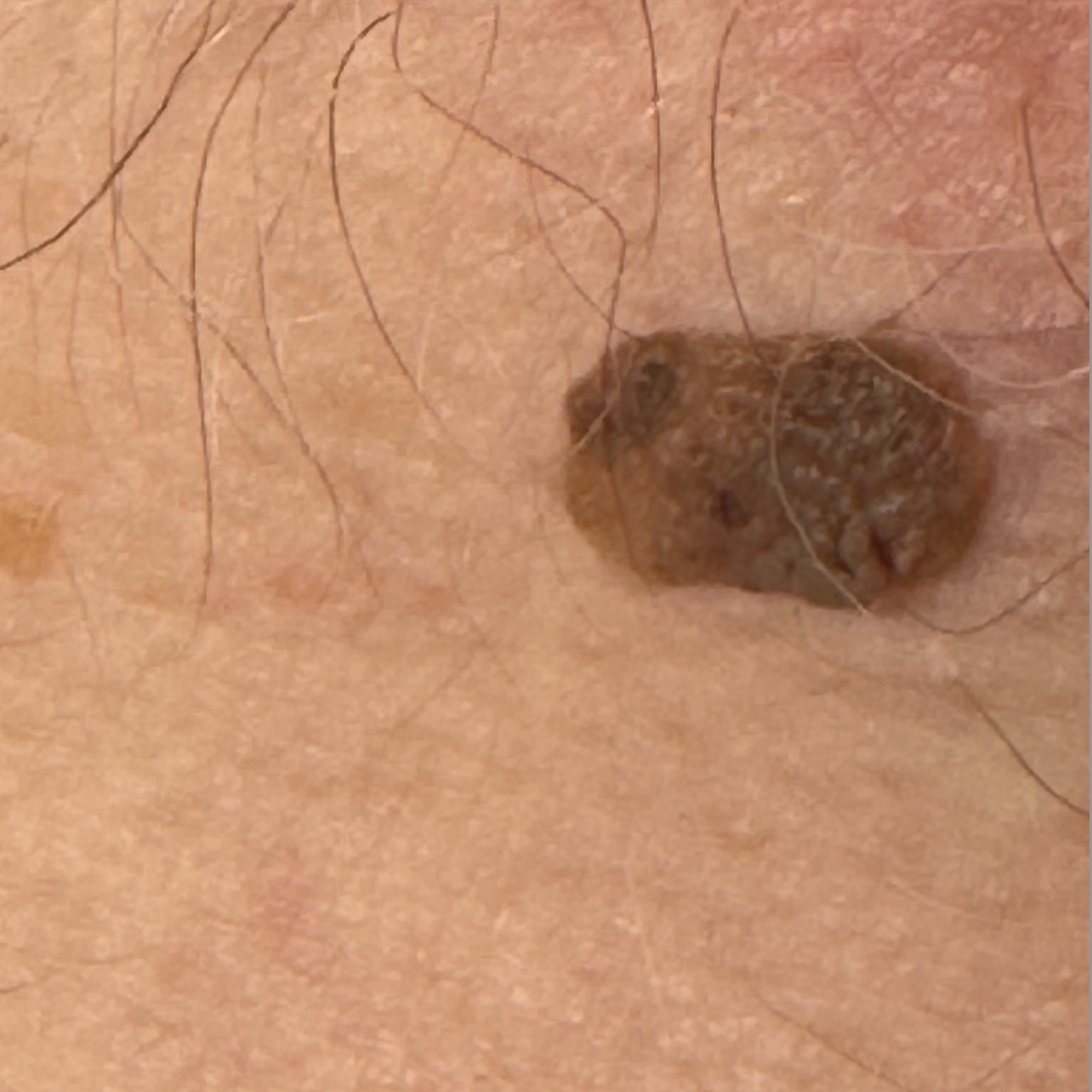
Seborrhoeic Keratosis
Seborrhoeic Keratoses have a rough surface and can range in colour from light/mid brown to almost black. They are often mistaken for moles, but tend to have a “stuck on” appearance, giving the impression that it could be easily picked off, but do not be tempted to try this! Although sometimes referred to as Seborrhoeic or Senile Warts, they are not caused by the same virus, nor are they infectious or contagious. Seb K treatment and removal is among the most common and effective in clinic.
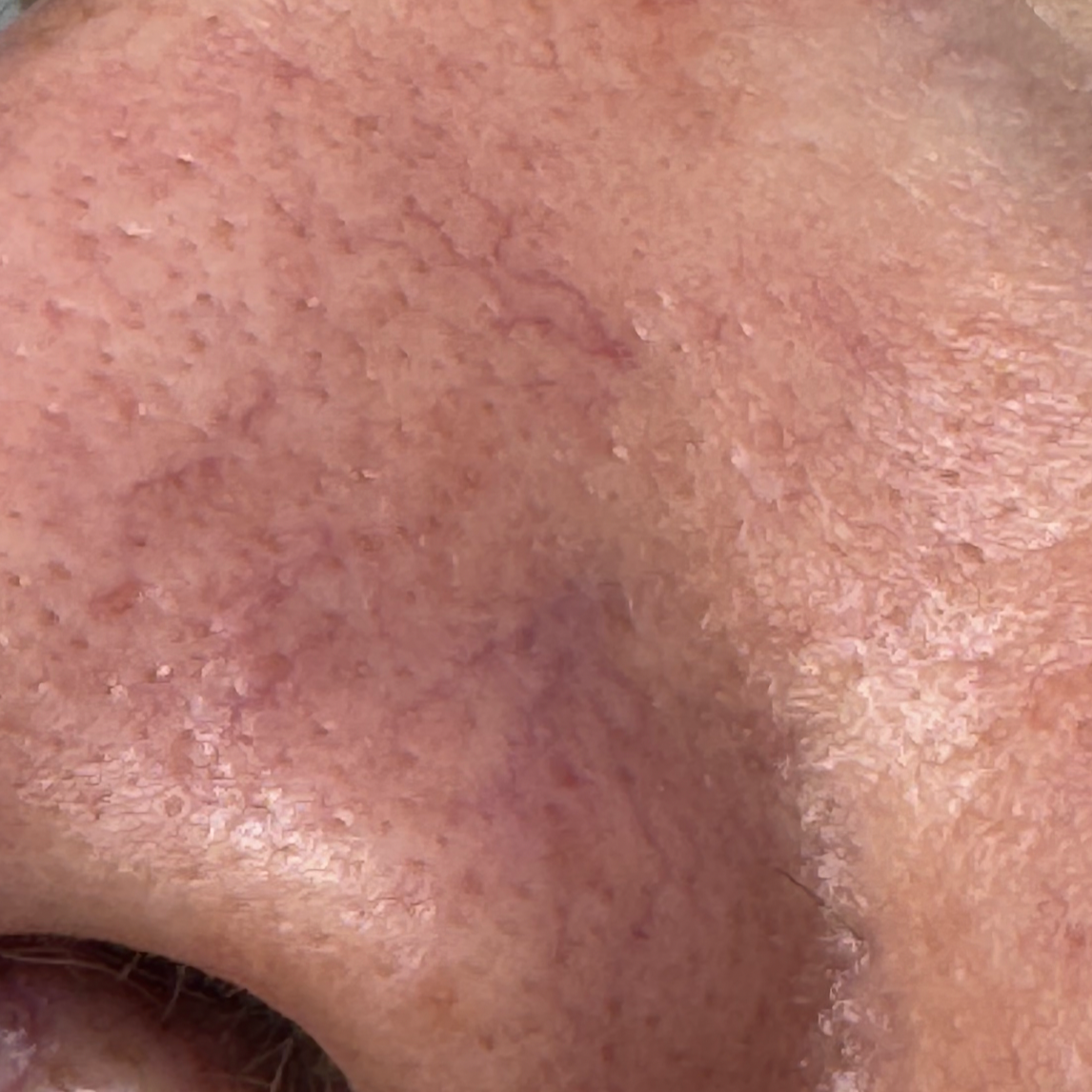
Telangiectasia and Spider Naevus (Facial Red Vein and Spider Vein)
Most people have broken capillaries of some kind. Capillaries are tiny red blood vessels that connect arterioles and venules; they consist of a layer of endothelium only one cell thick, which allows the transportation of substances between blood and cells in the body by constantly dilating and restricting.
During the ageing process, capillaries lose their elasticity and therefore can become permanently dilated, but there are many other causes of facial thread veins including trauma, alcohol, diabetes, childbirth, allergies, rosacea, medication, menopause... the list goes on.
Facial thread veins and spider veins often require repeat treatment.
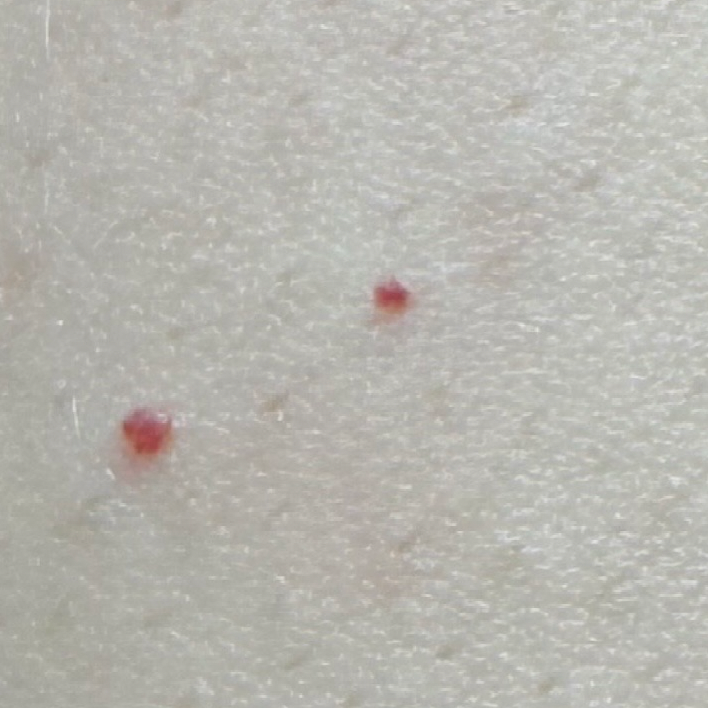
Haemangioma (Blood Spot)
Haemangiomas (also known as Cherry Angiomas, blood spots, or Campbell de Morgan spots) are a completely harmless vascular blemish, varying in size from a tiny “full stop” up to more pronounced examples that can be as large as a penny. They range in colour from bright red to darker red and are treated using diathermy with a very high success rate, with one session often being adequate for them to fade completely.
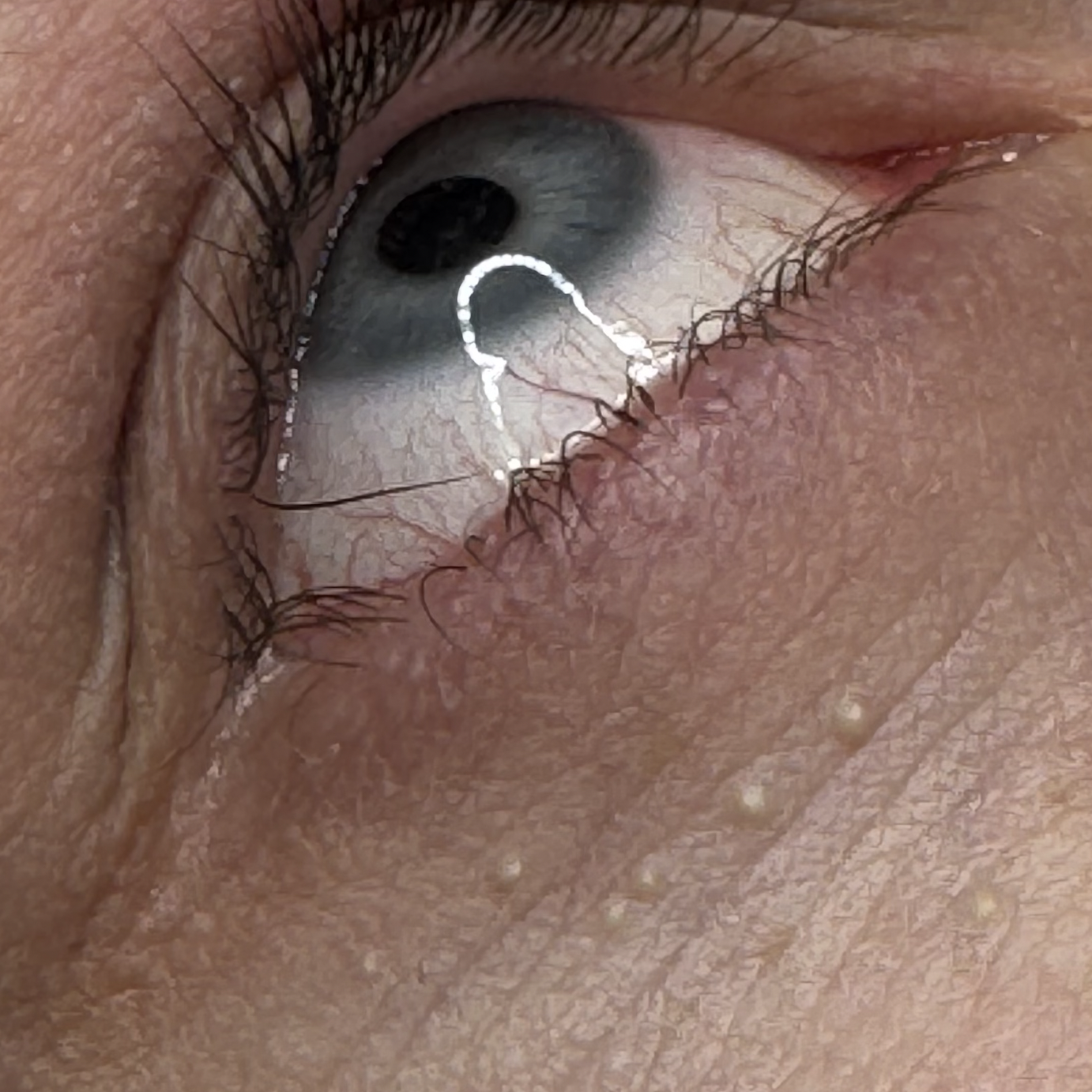
Milium (Milk Spot)
Often mistaken for whiteheads, many clients that present with milia observe that they cannot be squeezed or popped. Milia are white lipid epithelium cysts that form when keratin (a skin protein) becomes trapped beneath the outer layer of the skin. They appear as firm, pearl-like bumps on the surface of the skin, but the cyst itself is slightly deeper. A newly-formed milium cyst can be soft to the touch, but over time the keratin becomes harder and more compressed, and they feel firmer.
Frequently occurring due to skin/sun damage, ageing, or improper product usage; sometimes milia change in size or fade on their own, but the more persistent can be successfully treated with diathermy: often in a single treatment, with minimal downtime.
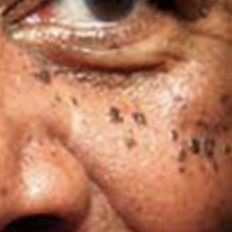
Dermatosis Papulosa Nigra (DPN)
DPN are small dome-shaped, hyper-pigmented brown/black blemishes, often found on the cheeks, forehead, neck and chest areas of Fitzpatrick IV to VI skin types (commonly of African, Asian or Hispanic descent). Diathermy is a precise and minimally invasive method of treating DPN: a low electric current is delivered directly to the blemish, dehydrating the targeted cells and causing them to crust over (scab) and fall off, usually within 7-14 days.
The precision of diathermy means surrounding dark skin is untouched, significantly reducing the risk of hypo- (whitening/lightening) or hyper- (darkening) pigmentation of the skin, compared to freezing/cryotherapy.

Wart and Verruca Treatment
Diathermy can be highly effective at treating persistent warts and verrucas. The precise electric current works directly on the affected tissue, generating heat and breaking down the physical wart/verruca, as well as cauterising the blood vessels that feed it. Treatment may also stimulate a natural autoimmune response, causing the body to recognise and fight the virus that caused the wart/verruca in the first place; the treatment of a single wart/verruca may therefore result in others spontaneously resolving.
Diathermy treatment is suitable for plantar warts (verrucae), filiform warts (with finger-like projections that stick up from the skin), common or raised warts - not genital warts.
More than one treatment may be required.
Mole Hair Removal and Mole Reduction
The majority of us have moles (pigmented naevi) and, normally, they are benign. They appear across the face and body in various shades (from pale tan to brown to blue-black) and frequently grow thick hairs due to their rich blood supply. Generally it is best to avoid treating moles, but if yours is causing you difficulty or distress, it may be possible to remove hairs from, or visibly reduce the size/appearance of, a mole using diathermy.
In depth mole health screening, medical referral and written consent to treat is essential prior to mole treatment. An affliate electrologist with Spotcheck, Gemma will image your mole/naevus and refer it to the dedicated GP and dermatology service, to assess whether your mole is suitable to treat. Only one mole can be treated per session.
Get In Touch
At the heart of Clarity is a desire to enhance well-being and boost confidence - supporting clear, healthy skin and clarity of mind.
Appointments are at my private home-based treatment room in Bidford-on-Avon, a riverside village in South Warwickshire situated approximately 7 miles (12-15 minutes) southwest of Stratford-upon-Avon.
If you are interested in working with me, simply provide some basic information and I will be in touch soon. I look forward to hearing from you.